Shipping Elevators from China to Dubai: Logistics, Customs and Delivery Planning Guide
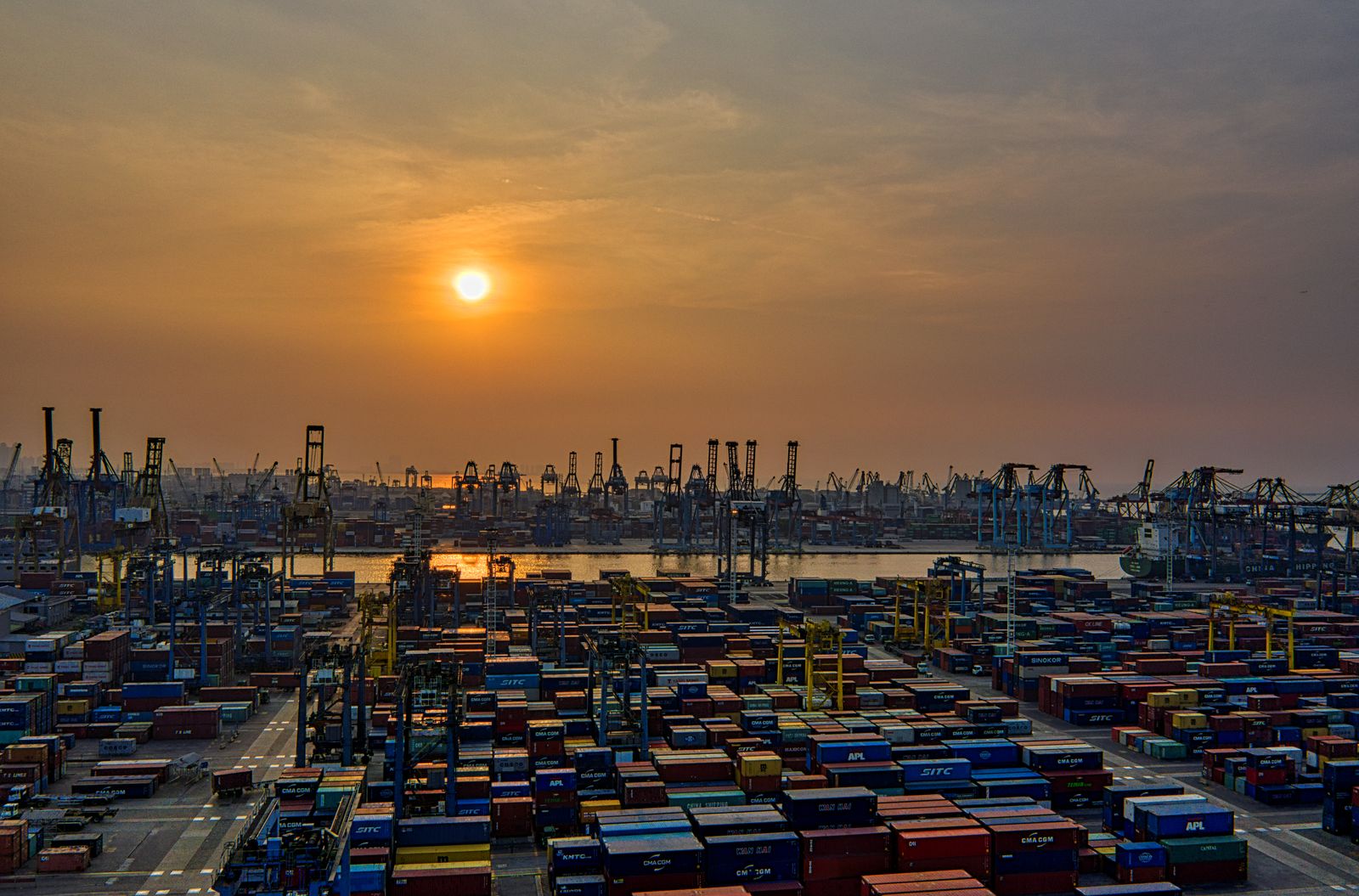
Buying elevators directly from a factory can reduce project costs and give you tighter control over specifications. But once the equipment is manufactured, it still has to travel thousands of kilometres and arrive on site in the right order and at the right time. For developers and contractors in Dubai, logistics planning is often what separates a smooth installation from weeks of costly delay.
This guide walks through the full journey of an elevator shipment from a factory in China to a construction site in the UAE, and the planning points procurement teams should settle early.
Why Logistics Deserves Early Attention
An elevator is not a single item. A typical passenger lift ships as hundreds of components: guide rails, car panels, door operators, counterweight frames, controllers, cables, and shaft hardware. Each has different handling needs, and missing a single part can stall installation.
Because the shaft, structure, and installation crew are usually scheduled well in advance, late or incomplete delivery has a ripple effect across the whole project programme. Treating logistics as part of the contract, not an afterthought, protects your handover date.
Step 1: Factory Packing and Pre-Shipment Inspection
Export packing should protect equipment against humidity, vibration, and rough handling during sea freight. Common practice includes:
- Wooden crates or steel-framed packing for heavy parts such as machines and counterweight frames
- Protective film and corner guards on stainless steel, glass, and decorative panels
- Moisture barriers and desiccants for electronic controllers
- Bundled and labelled guide rails to prevent bending
Every package should carry a clear label tied to a packing list showing the project name, elevator number, and component description. Ask the supplier to share the packing list and photographs before the shipment leaves the factory, and consider a pre-shipment inspection by your own representative or a third party.
Step 2: Choosing the Right Container Arrangement
Most elevator shipments move in standard 20-foot or 40-foot containers, with high-cube or open-top options for oversized items. The number of containers depends on the number of units, travel height, and cabin specification.
Key considerations include:
- Consolidating by elevator: Loading each lift's components together makes site unloading and tracking simpler.
- Loading sequence: Components needed first on site, such as rails and shaft hardware, should be easy to access.
- Weight distribution: Heavy machines and counterweights need secure bracing to stay stable at sea.
- Fragile items: Glass for panoramic cabins and fine finishes should be packed separately with extra cushioning.
Step 3: Sea Freight Routing to Jebel Ali
Most cargo bound for Dubai enters through Jebel Ali Port, one of the region's largest container hubs. Shipments from eastern China typically depart from major ports such as Shanghai or Ningbo, and transit time is usually measured in weeks rather than days. Exact durations vary with carrier schedules, routing, and port congestion, so confirm current estimates with your freight forwarder.
Plan a buffer in your schedule for weather, vessel changes, and peak-season delays. For time-sensitive projects, discuss staged shipments so the first components arrive while later ones are still in production.
Step 4: Understanding Incoterms
Your purchase contract should state exactly who is responsible for which part of the journey. Common terms in elevator procurement include:
- FOB (Free on Board): The supplier delivers to the vessel at the Chinese port; you arrange freight and insurance.
- CIF (Cost, Insurance and Freight): The supplier pays freight and insurance to the destination port; you handle import clearance and onward delivery.
- DAP/DDP: The supplier covers more of the chain, up to site delivery, with DDP also including import duties. Availability depends on the supplier and project.
There is no universally best option. FOB can offer cost control for buyers with an established forwarder, while CIF or DAP can simplify coordination for first-time importers. Whatever you choose, make sure responsibility for damage and delay is clear in writing.
Step 5: Customs Clearance in the UAE
Clearing goods through Dubai customs requires accurate, consistent paperwork. Typical documents include:
- Commercial invoice
- Packing list
- Bill of lading
- Certificate of origin
- Product conformity or technical documentation as required
- Insurance certificate
Mismatches between the invoice, packing list, and physical cargo are a frequent cause of holds. Using a licensed clearing agent familiar with machinery and building equipment helps avoid avoidable delays. Duty rates, HS codes, and documentation requirements can change, so verify the current rules with your clearing agent or the relevant authority before shipment.
Step 6: Port Storage and Demurrage Risks
Containers that stay at the port beyond the free period incur demurrage and detention charges. These costs add up quickly if the site is not ready to receive the equipment, or if paperwork is incomplete.
To keep charges down:
- Share draft documents with your clearing agent before the vessel arrives
- Confirm site access, unloading space, and lifting equipment in advance
- Schedule transport trucks to match expected clearance dates
- Agree on free-time periods with the shipping line when possible
Step 7: Site Delivery and Storage
Dubai construction sites are often tight, with limited laydown areas and strict delivery windows set by the main contractor. Before components arrive, confirm:
- Access routes and permitted delivery hours
- Crane or forklift capacity for heavy items
- A covered, dry, secure storage area, since heat, dust, and humidity can affect components left outdoors
- A named person to inspect and sign for deliveries
Upon arrival, check each package against the packing list and photograph any damage immediately. Report shortages or damage to the supplier and insurer promptly, as claims usually depend on timely documentation.
Aligning Shipping with the Construction Programme
Working backwards from the installation start date is the most reliable way to set shipping deadlines. A simple approach is to build a timeline covering:
- Final drawings and specification approval
- Factory production and testing
- Pre-shipment inspection and packing
- Sea freight transit
- Customs clearance and port handling
- Transport to site and unloading
- Installation start
Our guide on the elevator installation timeline explains what happens once the equipment is on site, while our article on factory-direct elevator procurement covers contracting and supplier selection.
Common Mistakes to Avoid
- Ordering too late: Production and shipping lead times are often underestimated.
- Incomplete shaft information: Wrong dimensions can force changes after manufacture. See our shaft and pit requirements guide.
- Unclear Incoterms: Disputes about who pays for damage or delay are costly.
- No storage plan: Equipment left in the sun or open air can degrade before installation.
- Skipping insurance: Marine cargo insurance is inexpensive relative to the value of the equipment.
Working with a Manufacturer That Manages the Whole Chain
A manufacturer with its own production base and export experience can coordinate packing, documentation, and shipping with your forwarder and clearing agent, so fewer parties are involved and accountability is clearer. When evaluating suppliers, ask about their export track record, packing standards, document support, and how they handle damaged or missing parts.
You can learn more about our manufacturing background on the About Us page.
Plan Your Elevator Delivery with Fuji Lifts Global
Fuji Lifts Global supplies passenger, freight, home, hospital, panoramic, and MRL elevators, as well as escalators and moving walkways, directly from our factory in Suzhou, with a sales office in Dubai to support projects across the UAE. Our team can help you align production, shipping, and delivery with your construction programme.
Ready to discuss your project? Visit Fuji Lifts Global or contact us on +971 50 824 5473 or [email protected] to request a quotation and delivery plan.
